Air Quality That Supports Workplace Comfort
Commercial Odor Neutralization & Deodorizing in Indianapolis for facilities where persistent smells undermine professional environments
Unpleasant odors develop when organic compounds from spills, moisture events, or heavy occupant use become trapped in carpet padding, upholstery foam, and porous building materials where air fresheners cannot reach odor sources. Retail stores, offices, medical facilities, and commercial properties throughout Indianapolis face lingering smells caused by everyday use, pet accidents in pet-friendly businesses, and moisture infiltration that supports bacterial growth in hidden substrates. Luminara Cleaning Services, LLC eliminates these odors through neutralization treatments that chemically alter odor-causing compounds rather than simply masking unpleasant smells with fragrance, addressing contamination at the molecular level where scent originates.
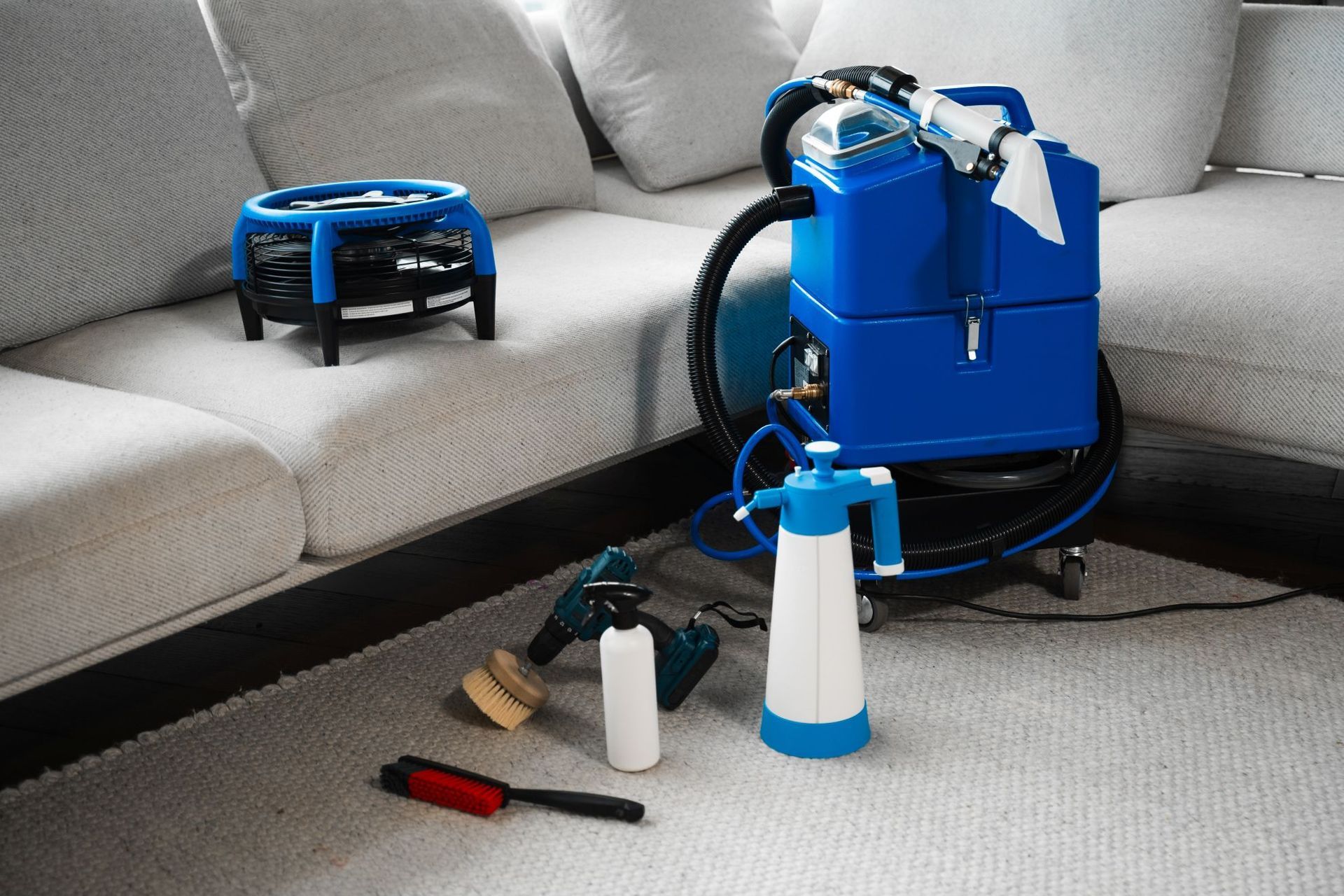
The service improves indoor air quality and overall workplace freshness by applying enzymatic or oxidizing agents that break down organic matter producing volatile odor molecules. Pairing deodorizing treatments with carpet and upholstery cleaning provides maximum effectiveness because surface cleaning removes the contamination sources while neutralization addresses residual odors embedded in materials that cannot be extracted.
Request an odor assessment to identify contamination sources and determine appropriate treatment methods.
Why Odor Masking Fails and Neutralization Works
Air fresheners and scented sprays add fragrance molecules to indoor air without altering the chemical compounds causing unpleasant smells, creating temporary masking that fades as fragrance dissipates while odor sources remain active. Neutralization works through chemical reactions that convert odor-causing molecules into odorless compounds, permanently eliminating smells rather than covering them with competing scents that often create unpleasant fragrance combinations.
After treatment, facilities maintain fresher indoor environments as odor sources are eliminated rather than suppressed, preventing the return of unpleasant smells once fragrance or masking agents wear off. Employees and visitors no longer detect musty, stale, or organic odors that had become background conditions in spaces with chronic smell issues, improving comfort and perception of cleanliness.
Suitable applications include offices recovering from water damage, retail stores addressing persistent smells from aging carpet, and medical facilities maintaining odor-free environments critical to patient comfort. The service helps businesses maintain clean and welcoming environments where air quality directly affects employee satisfaction and customer willingness to spend time in commercial spaces.
What Property Owners Usually Ask
Odor problems vary significantly in cause and severity, requiring targeted approaches rather than universal treatments that may not address specific contamination sources.
What causes odors to return after conventional cleaning?
Surface cleaning removes visible soil but often cannot reach contamination in carpet padding, subfloor materials, or wall cavities where moisture has allowed bacterial growth, requiring specialized treatments that penetrate porous substrates where odor sources persist beyond cleaned surface layers.
How do enzymatic treatments differ from oxidizing deodorizers?
Enzymatic products use biological catalysts to break down organic matter such as urine, food residue, and bodily fluids into odorless compounds, while oxidizers like ozone or hydroxyl generators chemically alter odor molecules through oxidation reactions, with selection depending on contamination type and material compatibility.
Why do some Indianapolis facilities develop musty odors during humid months?
Summer humidity combined with air conditioning condensation creates moisture conditions that support mold and mildew growth in carpet backing and HVAC systems, producing volatile organic compounds that conventional cleaning cannot eliminate without antimicrobial treatments targeting fungal contamination sources.
When should odor treatment be scheduled relative to other cleaning services?
Deodorizing works most effectively after carpet or upholstery cleaning has removed surface contamination, allowing neutralization products to penetrate substrates and address embedded odor sources without interference from soil layers that block chemical contact with odor-causing compounds.
How long does odor neutralization last in commercial environments?
Permanent odor elimination occurs when contamination sources are fully removed or neutralized, though ongoing exposure to new odor sources from heavy foot traffic, spills, or moisture events requires periodic retreatment to maintain odor-free conditions in high-use commercial facilities.
Luminara Cleaning Services, LLC pairs odor neutralization with comprehensive cleaning programs that address both symptoms and sources of indoor air quality problems. Schedule a consultation to develop an odor control strategy appropriate for your facility's specific challenges and usage patterns.